About Us

Building a Brighter Future

Where Water Flows, Innovation Thrives, and Our Planet Flourishes.

Historical Background of Kongwa District

Introduction

Kongwa District is one of the six districts in Dodoma Region. The district is located between Latitude 3° South and 6.00° South of the Equator and Longitude 36.00° to 36.50° East of Greenwich. The elevation reaches 1200 meters above sea level.

Geographical Borders

Kongwa District borders Kiteto District to the North; Chamwino District to the West; Gairo District to the East; and Mpwapwa District to the South.

Administrative & Demographic Overview

This district has an area of 4041 square kilometers. Administratively it is divided into 3 Divisions, 22 Wards, 75 villages and 281 hamlets. The district has a total of 50,877 households with a population of about 309,973 including 149,221 males and 160,752 females. These figures take into account an average population growth of 2.4% per year according to the 2012 Population and Housing Census.

Ethnic Composition & Migration

The inhabitants of this district are the Gogo, Guru, and Warangi. There are also other tribes that migrated from different parts of Tanzania such as the Bena, Wanguu, Kamba, and Maasai who came for agricultural and livestock activities. The main economic activities carried out by the residents of Kongwa District are animal husbandry (cattle, goats, sheep, and donkeys). Donkeys are mainly used in the transportation of crops. Also, agricultural activities for food and commercial crops such as maize, sorghum, millet, peanuts, and sunflowers.

KNOWLEDGE OF THE KINGDOM

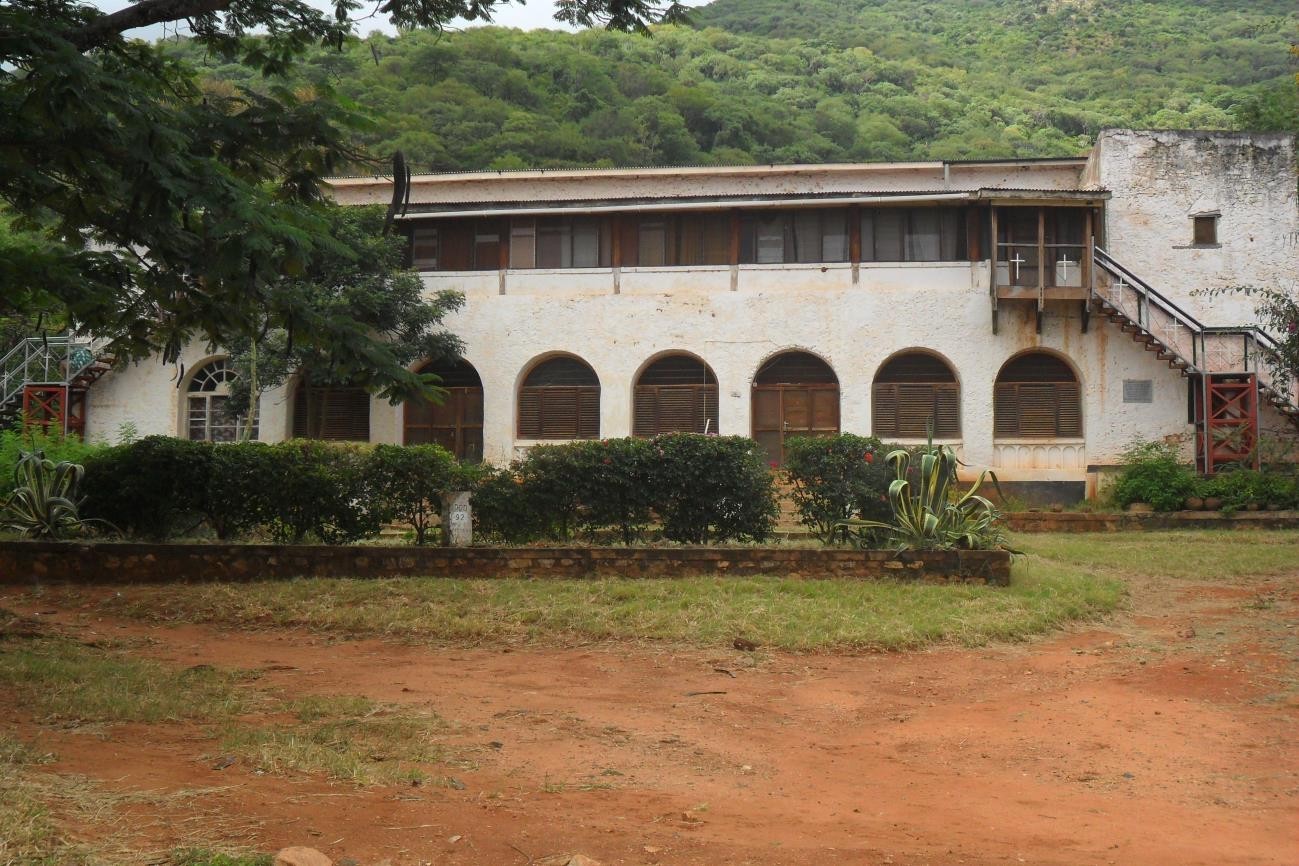
Kongwa District first appeared on the world map in 1913 when a Canadian religious organization known as the Church Missionary Society began construction of a Teachers' and Theological College in 1909 in the village of Mlanga. However, due to the First World War, the construction took a long time and was completed in 1927. The materials used in the construction of the College were stones and burnt lime.
The college taught the profession of Pastoral (Theology), Teaching and Nursing. Students who studied at the college came from various parts of Tanganyika and Kenya. Among the first students who studied at the college were Elder Musa Fungo and Yohana Malecela.

Jengo la Chuo cha Theolojia cha Mtakatifu Filipo kilichojengwa mwaka 1927 – Mlanga Kongwa

Jengo la Chuo cha Theolojia cha Mtakatifu Filipo kilichojengwa mwaka 1927 – Mlanga Kongwa

During the British-German War of 1914-1918, 12 students studying at the College were captured by the Germans and taken to Zanzibar for safekeeping and were returned when the war ended. Many residents who lived in the Mlanga area, most of them were immigrants from parts of Berege (Morogoro), Tanga and Iringa and their leader during that period was called Chief Mahinyila. In the Mlanga area near the mountain there are footprints of horses who were passed along that path by the Colonials during the war.
After the First World War between the British and Germans, Mlanga continued to expand due to peanut farming activities and many people came to live there, which is when the town moved to Mnyakongo. In 1922, a market was established in the Uhindini area after it was seen that there was no market and many citizens were transporting their produce over long distances to Gulwa - Mpwapwa. Among the Africans who had a shop in the market was Mzee Musa Fungo.
In 1932, white donkeys known as Maskati were introduced to be used for transporting goods along with wheelchairs which were mostly used by women for transportation. Kongwa gained popularity after the Second World War, when a British agricultural organization known as the Overseas Food Cooperation established a peanut farming research project in 1947 in the area where the Ugogoni Health Center is located with the aim of reviving the British economy that had been affected by the Second World War. It was also to provide employment for British soldiers returning from the war.
Finally, after the survey in 1948, peanut farming was officially established in the Kongwa district and people from some countries ruled by the British, such as India, Somalia and Mauritius, came to live and operate peanut farming. Various areas were cleared to prepare farms from Kongwa, Zoissa to Sagara. At that time, the farms were owned by the Europeans themselves and the Africans were laborers on the farms where the Mauritians worked as drivers and technicians on the farms. The presence of the Mauritians in the Kongwa area led to the establishment of an area known as Morisheni which was due to the Kongwa people pronouncing Wamauritius when they decided to adapt and call it Morisheni. This area was also used by freedom fighters as a cemetery, to bury those who died for various reasons.

Who We Are

KIDVO (Kongwa Integrated Development and Volunteering Organization) is a dynamic organization dedicated to fostering meaningful experiences through Community Development, Women and Youth education, and volunteer service. We believe in the transformative power of learning, the importance of lifelong education, and the profound impact of selfless service. Join us as we explore innovative ways to empower communities and build a brighter, more sustainable future.

(KIDVO) is dedicated to sustainable solutions in water, sanitation, agriculture, environmental protection, climate resilience, and entrepreneurship. We empower communities, protect resources, and create a healthier planet for all.

Our Integrated Approach

KIDVO uses a participatory approach in identifying, planning, and implementing various development project activities. We reach out to all special and needy groups including youth, women, girls, boys, the elderly, and people with disabilities. The organization provides services through groups established by stakeholders with the aim of eradicating income poverty. For groups of people with disabilities, we reach out to individuals and their groups if they exist.

Our Key Focus Areas

Our Objectives

Protect children's rights through providing education and basic needs to disadvantaged children and orphans.

Empower youth, women, and elders through the provision of vocational skills and health education.

Provide social services to the community such as health centers, community centers, water supply, and electricity.

Engage in regenerative design to promote sustainability and support natural ecosystems.

Vision Statement

Communities where citizens are empowered to improve their own livelihood through appropriate and affordable alternatives.

Mission Statement

KIDVO is working towards contribution in poverty eradication and creation of self-sustaining communities in Tanzania through the provision of integrated technical and material support, in broad areas of sustainable agriculture, water and sanitation, environmental protection, education, and income generation.
What We Do

Education & Skills Development

Providing accessible learning, vocational training, workshops, and cultural programs to empower children, youth, and women.

Volunteer Service

Connecting passionate volunteers with projects in community building, conservation, education, and health support.

Sustainable Development

Promoting regenerative practices, water/sanitation access, community infrastructure, and ecosystem protection.

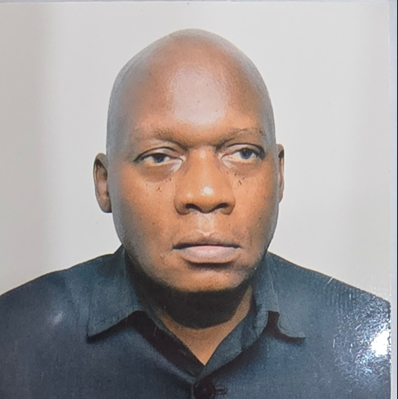
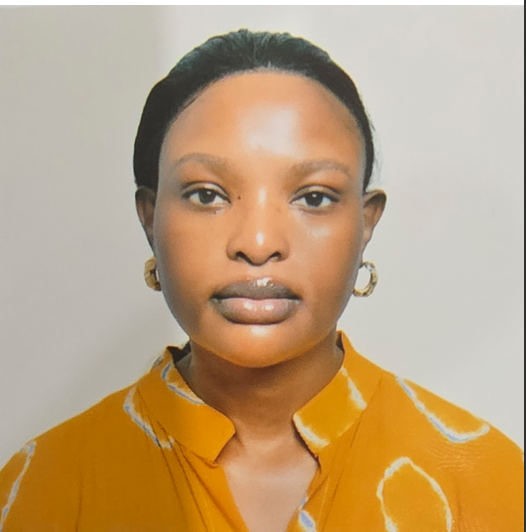
Our Key Staff

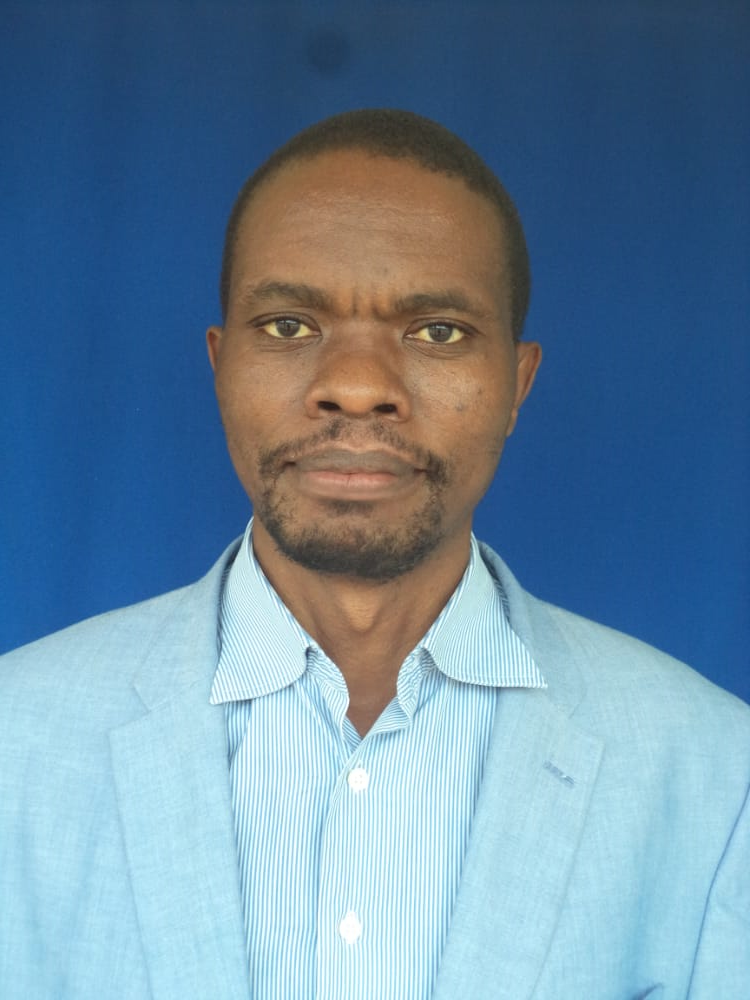
Board Chairman

ISAYA MOSES MNGURUMI

Board Chairman

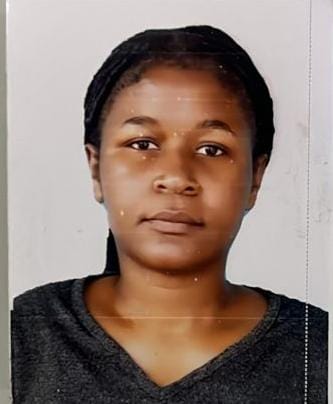
ED

SOPHIA ABDILLAH MAPONDELA

The Executive Director

PA

GIFT ISAYA MNGURUM

The Project Accountant

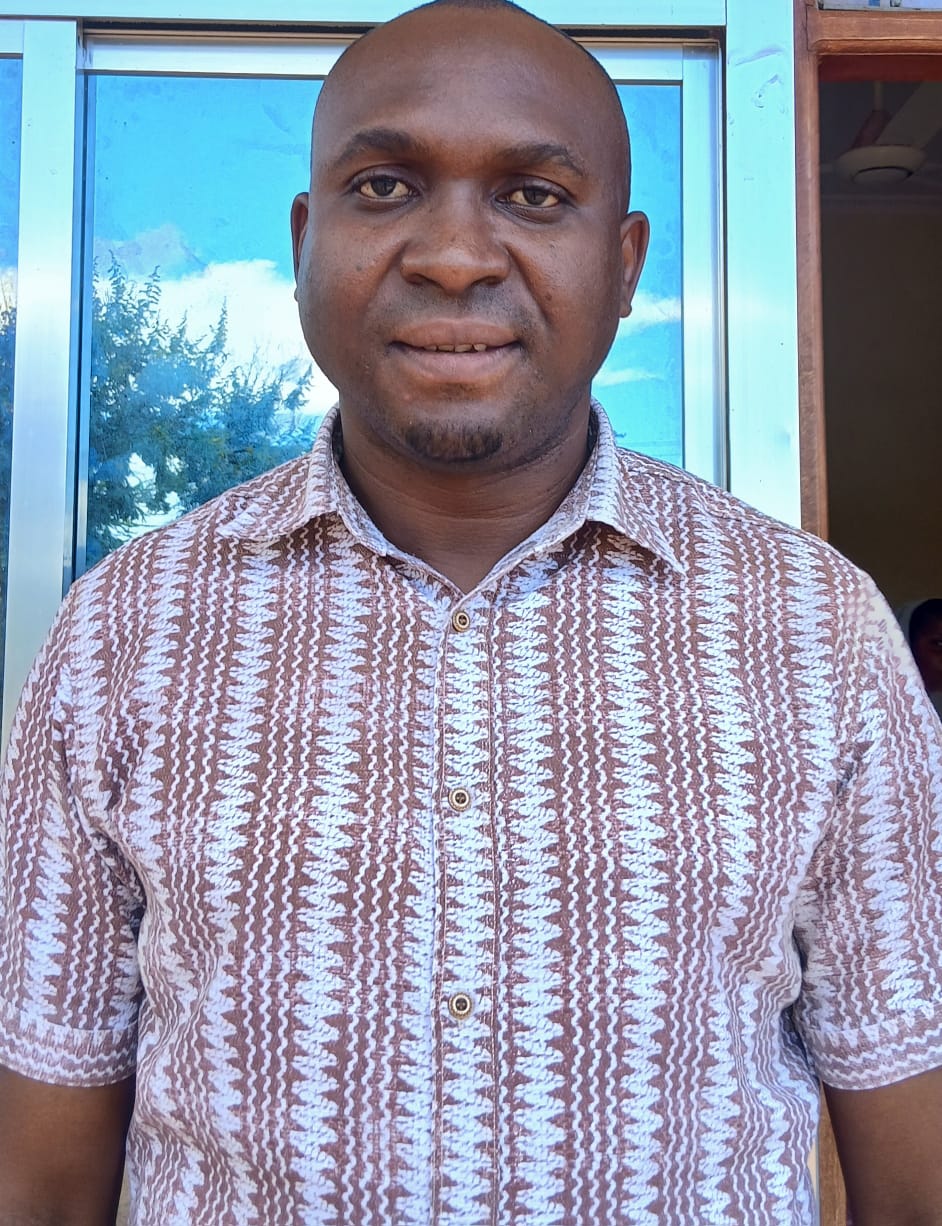
PPC

TUMAINI YUSUFU SALUM

The Partners and Programme Cordinator

PPC

ELIA STANFORD LESILWA

Field Project Coordinator

PPC

APLHA BEDA MWEGALAWA

Monitoring and Evaluation Officer

Our Partners & Accreditations

Join Us in Creating Lasting Change

Volunteer, donate, or partner with KIDVO to support empowered communities in Kongwa District and across Tanzania.

Get Involved Donate Now